In the evolving landscape of digital commerce, the definition of a “new product” is changing. We are no longer just selling a product once; we are entering a cycle where the product’s second lives are just as strategically important as the first sale. For sports and outdoor brands, where durability is a core value proposition, ignoring the second-hand market is no longer an option. It’s not only a “vintage trend” to follow, but a change in customer behaviour.
The Context: A Billion-Euro Strategic Shift
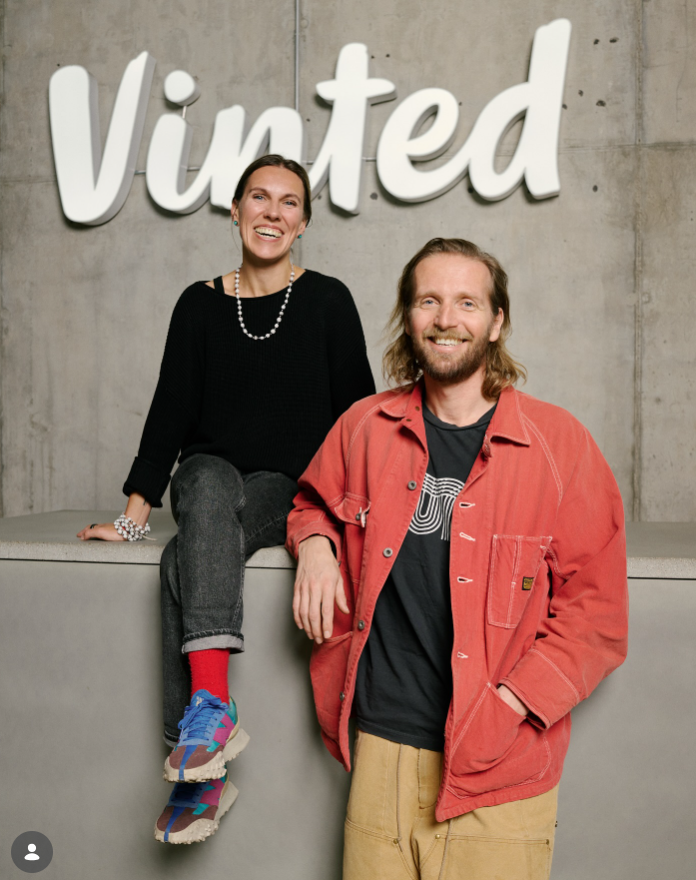
The rise of recommerce is not just a passing trend but a structural transformation of the market. In Europe, the “relevant” second-hand market for fashion and luxury is now estimated between €15 and €20 billion, driven by major players like Vinted, which recently (2025) surpassed €10 billion in Gross Merchandise Volume (GMV) and reached a valuation of €8 billion in 2026 (Panbianco).
A profound cultural shift fuels this growth: 58% of Gen Z and 55% of Millennials now prioritise secondhand over new products. In markets like Germany, 34% of consumers purchase pre-loved items every two to three months (eBay Recommerce Studio). For these younger demographics, the secondary market has become a primary entry point into premium brands, often preferring a high-end used item over a mid-market new one.
The Strategic Pivot: Integrating Resale into the Customer Lifecycle
Rather than viewing second-hand as a threat, forward-thinking brands are recognising it as a natural extension of their product’s life. While it is true that some second-hand purchases directly replace the purchase of a new item, this shift actually highlights a significant market opportunity.
The real strategic goal isn’t just defending against cannibalisation, but owning the relationship with the next generation of consumers. Today, young shoppers often use the secondary market as their primary entry point into premium brands, choosing a high-quality used item over a mid-market new one. By launching a branded recommerce channel, you transform what was once a “lost” transaction on a third-party platform into a powerful loyalty tool. You gain access to critical customer data, ensure the brand experience remains premium, and keep your community within your ecosystem throughout the entire life of your products. It should be included in a bigger DTC growth strategy (check this article as a reference).
Citing Flint Hyde, I really agree with this consideration: “Salomon is launching an online repair service for garments and backpacks […]. It also makes commercial sense. For a brand (like Salomon) that exceeded $2 billion in sales in 2025 and is growing fast, building deeper loyalty with existing customers is just as important as acquiring new ones”.
Deep Dive: Four Proven Recommerce Strategies
Four examples I really appreciated, three of them related to the outdoor industry (which, if you’re familiar with this website, you know it’s one of my main passions):
- Bang & Olufsen (Reloved): B&O treats recommerce as an extension of their luxury craftsmanship through the “Reloved” program. Their core value lies in the Reloved Certification, which ensures the product has been inspected and approved by authorised technicians following high brand standards. These products are sold with an official Bang & Olufsen warranty and a certificate of authenticity that is automatically transferred to the new owner in the B&O app. To simplify the buyer’s experience, they categorise items into three cosmetic conditions: Mint, Excellent, or Good. Their trade-in model is specifically designed as an upgrade path, where the assessed value of an old item is applied directly toward a newer model.
- Salomon (Repair Service): Salomon is leading with a focus on longevity through a straightforward online repair service for garments and backpacks. Customers describe the issue online and receive an upfront estimate, with Salomon covering shipping costs both ways. This initiative is a core pillar of their “Change Our Future 2030” strategy, aiming to reduce environmental impact by extending product lifecycles.
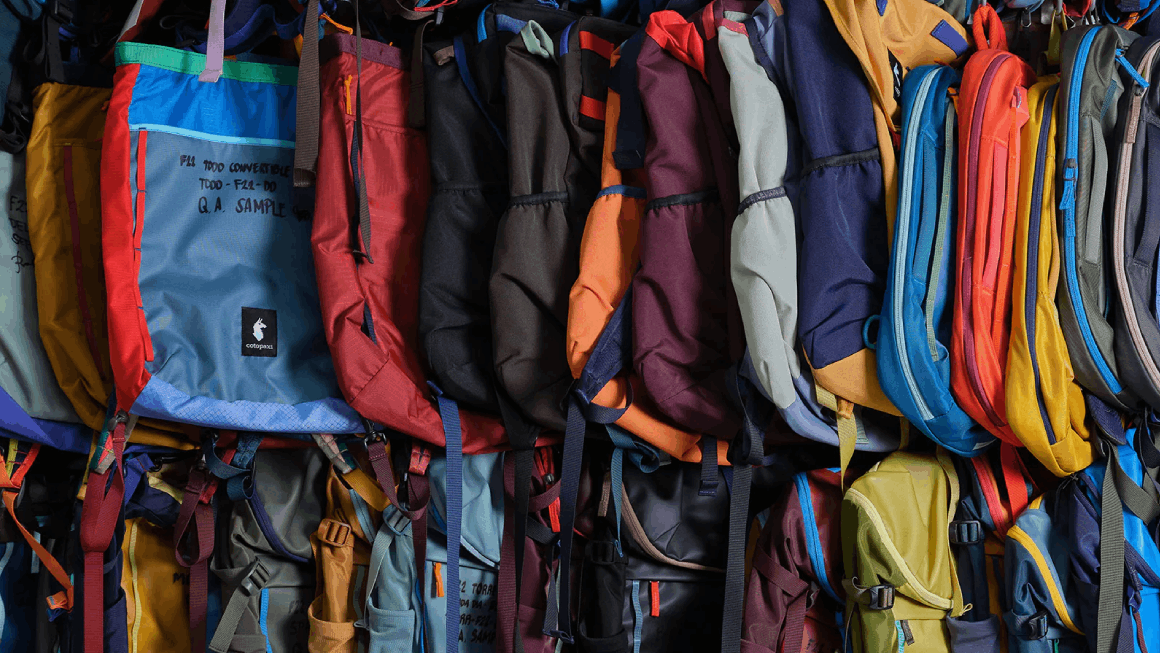
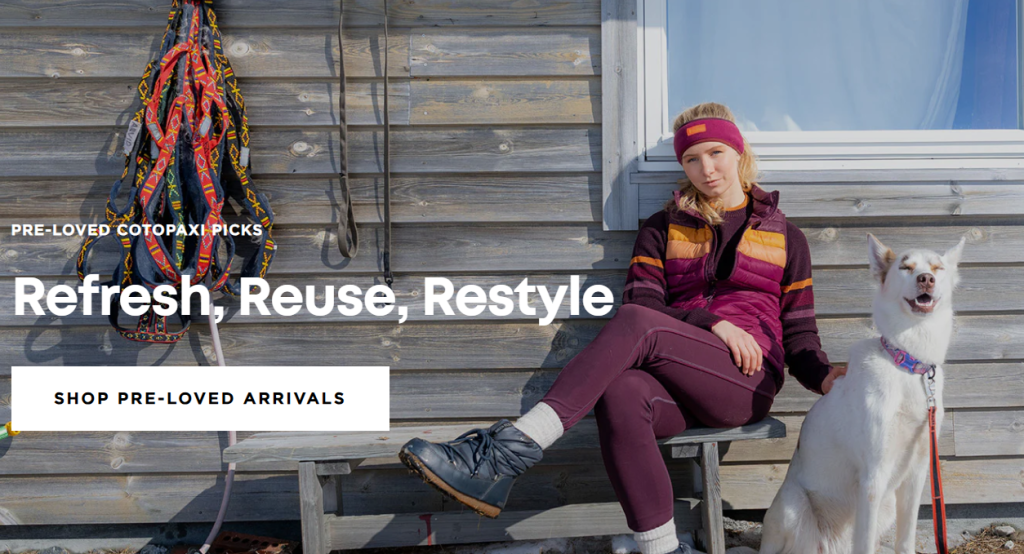
- Cotopaxi (Pre-Loved): Cotopaxi’s “Pre-Loved” site is a dedicated store where customers can “thrift and save”. They emphasise the environmental impact, noting that returning just one clothing item to the circular economy extends its life by an average of 2.5 years. Their Trade-In program allows customers to exchange gently used gear for store credit. This “Resale-as-a-Service” model is powered by specialised partners like thredUP to ensure a seamless logistical experience.
- The North Face (Renewed): The “Renewed” program reinforces the brand’s core message of durability and long-term value. By taking back items that might have gone to a landfill and refurbishing them for a “second life,” they appeal to eco-conscious outdoor enthusiasts who trust the brand’s technical quality even in a pre-owned state.
- Samaya (Seconde Vie): For a brand specialising in high-performance mountaineering equipment, safety and technical integrity are paramount. Samaya’s “Seconde Vie” (Second Life) program follows a Managed Resale model, ensuring that ultra-technical gear—such as their Inspire 2 tents—is carefully inspected and refurbished before being offered for a second life. This initiative proves that even for products designed for the most extreme environments, a circular ecosystem is possible when backed by rigorous quality standards.
A Guide to Resale Models: Choosing Your Path
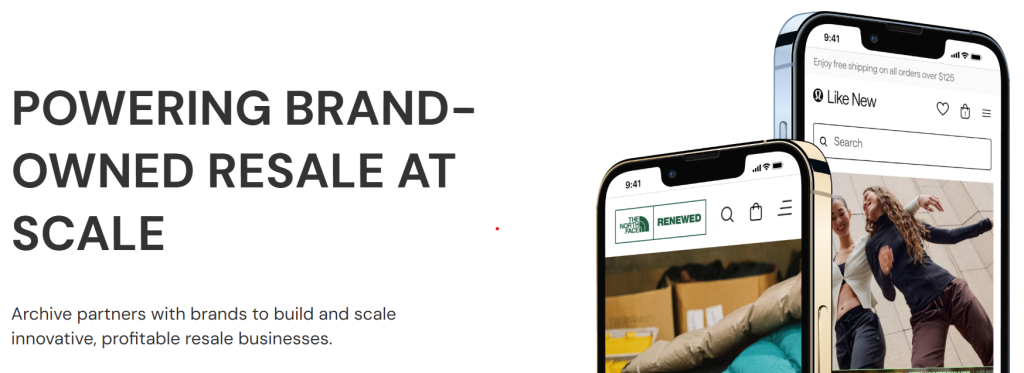
Based on frameworks from Archive (The North Face Renewed is using their stack), brands generally choose between models depending on whether they want to physically handle the inventory or simply facilitate the transaction:
- Peer-to-Peer Marketplace: The brand provides the platform, but consumers sell directly to each other. The brand never touches the inventory, and the seller typically receives cash or store credit.
- Managed Resale (Full or Lite): The brand (or a partner) takes possession of items like samples, returns, or trade-ins. Using specialised Resale Ops Technology, items are cleaned, repaired, photographed, and fulfilled from a warehouse.
- Trade-In (Take-Back) Programs: A supply generation tool where customers send in items in exchange for credit. These items are then either resold through a managed model or routed for recycling.
Getting Started: First Steps for Your Brand
If you are approaching recommerce for the first time, it is vital to understand that the logic is different from selling new collections or even outlet stock. In traditional retail, you manage multiple stock per size; in recommerce, every product is a unique piece. This shift requires a cautious and gradual approach. Unlike outlet items, which are simply previous seasons’ new goods, second-hand items require a rigorous inspection and refurbishing process to ensure they are fit for resale. You may need to intervene physically on the product to restore its value. You don’t need to launch a full-scale ecosystem overnight. Here is a roadmap for your pilot:
- Audit Your Internal Supply: Instead of liquidating returns, samples, or damaged goods, consider them your initial “Brand-Listed” supply for a pilot resale section.
- Identify Your High-Resale Categories: Research platforms like Vinted or eBay to see which of your products hold the most value. This identifies the strongest candidates for your branded program.
- Implement a Trade-In Pilot: Start by offering store credit for high-value items. This incentivises customers to return to your site to spend their credit on new collections.
- Leverage Existing Technology: Avoid building from scratch. Use established platforms like Archive that offer resale-specific features like listing flows, condition descriptions, and dynamic pricing engines to ensure your business is profitable and scalable from day one.
From the Field: Real-World Operational Lessons
My perspective on recommerce isn’t just theoretical; it’s rooted in my hands-on experience managing an online marketplace for high-end, refurbished racing bikes. Transitioning from selling “new” to “pre-owned” reveals operational complexities that existing systems—designed for traditional full-price business—simply aren’t equipped to handle.
Based on my experience, there are some critical pillars every brand must address to ensure a successful recommerce launch:
- Finding Specialised Talent: In the bike world, finding dedicated mechanics was a major hurdle. For an outdoor brand, this means sourcing professionals who understand the technicality of the gear—for instance, knowing exactly how to repair and re-tape a technical shell without compromising its waterproof integrity. A strategic solution is partnering with specialists like the United Repair Centre (URC), which uses skilled tailors to provide high-quality repairs for brands like Rapha, Patagonia, and Salomon.
- Managing the “Repair” Supply Chain: High-end gear requires high-end parts. While a bike needs specific components, an outdoor brand must ensure a continuous supply of original materials—zippers, buckles, or technical membranes—to maintain the product’s performance standards during refurbishment.
- Radical Transparency in Condition: Online buyers need certainty. A precise system for reporting damage or wear is essential. Following the example of Bang & Olufsen, which uses clear categories like Mint, Excellent, or Good, helps customers make informed decisions and reduces the risk of returns.
- The Profitability Puzzle: Finding the right price point requires constant benchmarking against other second-hand platforms. You must calculate if the costs of intake, labour, and replacement materials still allow for a healthy margin. As Archive notes, building a “business case for resale” is a unique challenge that requires nuanced supply and demand modelling.

Final Thoughts
Recommerce is the bridge between sustainability and growth. It is no longer just a “green” add-on but a fundamental shift from a single-transaction marketplace to a global circular ecosystem. By owning the resale channel, you ensure that your brand remains the primary choice for consumers—whether they are buying their first used jacket or trading it in for their fifth new one. The secondary market is already happening; the only question is whether you will be the one to facilitate and profit from it.
Side notes, credits, sources
- Archive: A Beginners Guide to Resale Models
- Bang & Olufsen: Reloved Certified Pre-owned
- Cotopaxi: Pre-Loved Store
- The North Face: Renewed Program
- Vinted: 10 Billion Euro GMV Milestone
- LinkedIn: Giovanni Fracasso on the Second Hand Market Impact
- LinkedIn: Ingrid Lommer on Recommerce Trends and eBay
- LinkedIn: Salomon: Online Repair Service and Sustainability Strategy
- Vinted da ‘record’ – Panbianconews.
- United Repair Centre: High-quality Repair Solutions.